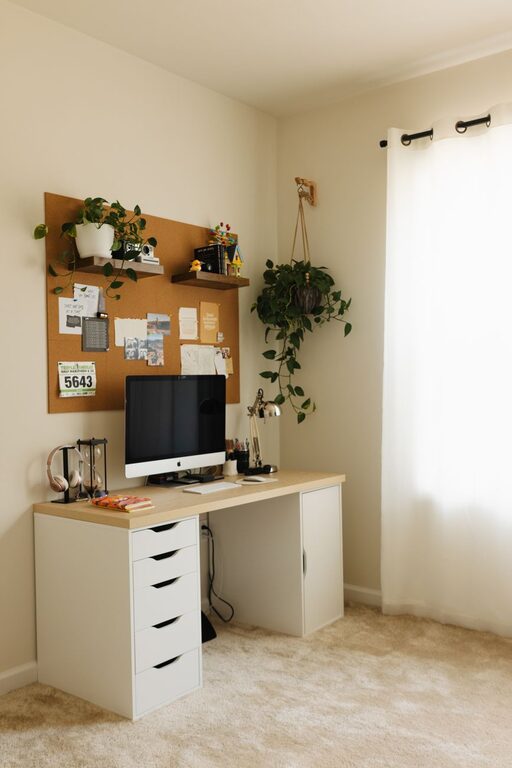
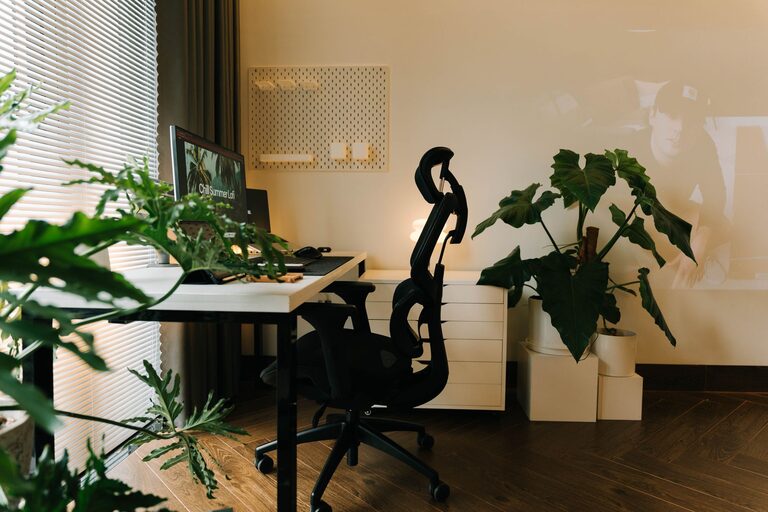
Creating a cozy and productive home office space is essential for anyone working from home or simply needing a dedicated area to focus. A well-designed workspace not only enhances your efficiency but also promotes well-being by making you feel comfortable and motivated. If you’re looking to improve your home office setup, this guide offers practical tips that combine comfort and productivity in a harmonious way.
Why a Cozy Home Office Matters
A comfortable environment can reduce stress and fatigue, allowing you to stay focused longer. When your workspace feels inviting, it’s easier to settle into your tasks and maintain a positive mindset throughout the day. Pairing coziness with productivity ensures you get the best of both worlds—an inspiring and functional area where work feels less like a chore.
Choosing the Right Location
Selecting the best spot for your home office is crucial. Here are some factors to consider:
– Natural Light: Position your desk near a window if possible. Natural light boosts mood and reduces eye strain.
– Quietness: Look for a calm area away from household noise and distractions.
– Space: Choose a place that comfortably fits your desk and chair—with room to move around.
If space is limited, even a small nook or a corner of a room can be transformed into an efficient workspace.
Investing in Ergonomic Furniture
Comfort plays a huge role in how productive you feel. Ergonomic furniture supports your body and helps prevent discomfort or pain.
– Chair: Opt for an adjustable office chair with good lumbar support.
– Desk: Your desk should be at a height where your arms rest comfortably when typing.
– Accessories: Consider a footrest, keyboard tray, or monitor stand to maintain proper posture.
By prioritizing ergonomics, you can work longer with less fatigue.
Organizing Your Workspace
A clutter-free environment promotes concentration and efficiency. Here are some tips to keep your office organized:
– Storage Solutions: Use shelves, drawers, or baskets to stow away supplies and documents.
– Desk Essentials: Keep only what you use daily on your desk to minimize distractions.
– Cable Management: Use clips or sleeves to neatly bundle wires and avoid tangles.
Regularly tidying your workspace encourages a clear mind and quicker workflow.
Personalizing Your Space
Adding personal touches can make your office feel more welcoming and inspiring.
– Decor: Hang artwork, photos, or motivational quotes that uplift you.
– Plants: Indoor plants improve air quality and add a touch of nature.
– Lighting: Use warm-toned lamps or fairy lights to create a cozy ambiance during evenings.
Remember to balance personalization with simplicity to avoid visual clutter.
Setting Up Technology for Success
Reliable technology is key to smooth workdays.
– High-Speed Internet: Ensure your connection is fast and stable.
– Equipment: Invest in a quality computer, headset, and printer if needed.
– Backup: Use cloud storage or external drives to keep your data safe.
Keep software and devices updated to avoid technical interruptions.
Establishing Boundaries and Routine
A great home office supports work-life balance.
– Defined Hours: Set clear working hours to separate job time from personal time.
– Breaks: Schedule short breaks to stretch and relax your mind.
– Door Policy: If possible, close your office door to signal “work mode” to others.
These habits help maintain focus during the day and relax fully afterwards.
Incorporating Color and Texture
Colors and textures influence mood and energy levels in your workspace.
– Colors: Soft blues and greens promote calm, while yellows and oranges can stimulate creativity.
– Textures: Adding cozy rugs, cushions, or fabric curtains creates warmth.
Choose elements that resonate with you and enhance comfort without overwhelming the senses.
Maximizing Small Spaces
Even if you have limited room, you can create a functional home office:
– Use vertical storage like wall-mounted shelves.
– Consider foldable desks or compact furniture.
– Choose light colors to make space feel larger.
– Keep the area near your desk clear for more movement.
With smart planning, small spaces can be just as effective.
Final Thoughts
Designing a cozy and productive home office doesn’t require a big budget or major renovations. Thoughtful choices about location, furniture, organization, personalization, and technology go a long way. By creating a space that suits your needs and preferences, you’ll enjoy working from home more and achieve better focus and results.
Try implementing these tips step-by-step, and watch how your home office transforms into a comfortable haven for productivity. Whether you’re starting fresh or improving an existing setup, small improvements can make a big difference in your workday experience.
About the Author