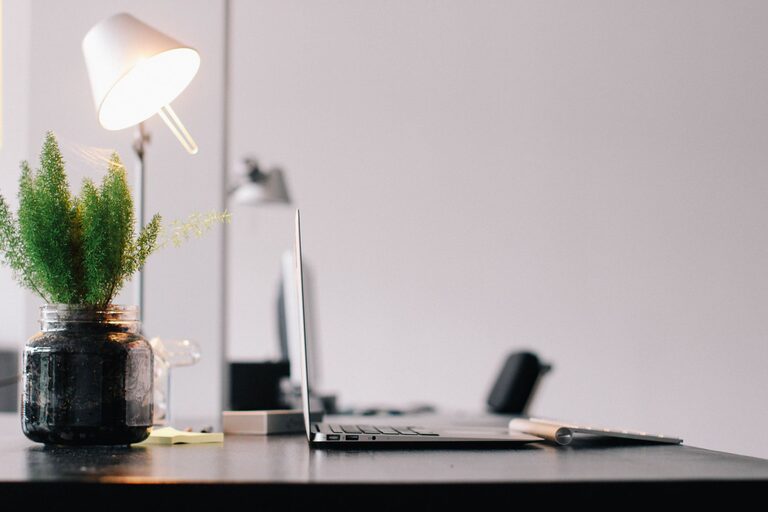
Creating a productive home office environment is essential to working efficiently and maintaining a healthy work-life balance. Whether you’re new to remote work or looking to improve your current setup, small adjustments can make a big difference in your daily performance and wellbeing. In this post, we’ll explore practical tips to help you design a home office that fosters focus, comfort, and motivation.
Choose the Right Location
Selecting a dedicated space for your home office is the first crucial step. Ideally, pick a quiet area with minimal distractions. Some key considerations:
– Away from High-Traffic Zones: Avoid placing your workspace in busy parts of your home like the kitchen or living room.
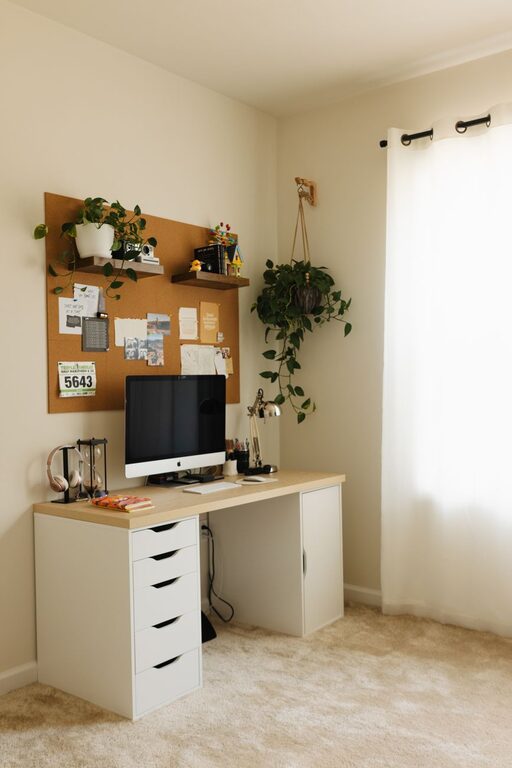
– Natural Light: Position your desk near a window to take advantage of natural daylight, which can boost mood and energy.
– Privacy: If possible, choose a room with a door to separate work from home life.
Having a distinct work zone helps your brain associate the space with productivity rather than relaxation.
Invest in Ergonomic Furniture
Comfort is key to working efficiently and preventing strain. Here’s what to look for:
– Chair: An adjustable office chair with good lumbar support will reduce back pain and encourage good posture.
– Desk: Choose a desk at the right height or consider a sit-stand option to alternate between sitting and standing.
– Monitor Height: Position your monitor so the top of the screen is at eye level to avoid neck strain.
Ergonomic furniture contributes to comfort, helping you stay focused longer and work more comfortably.
Optimize Lighting
Proper lighting reduces eye strain and keeps you alert throughout the day.
– Use Natural Light: As mentioned, natural light is ideal but be mindful of glare on screens.
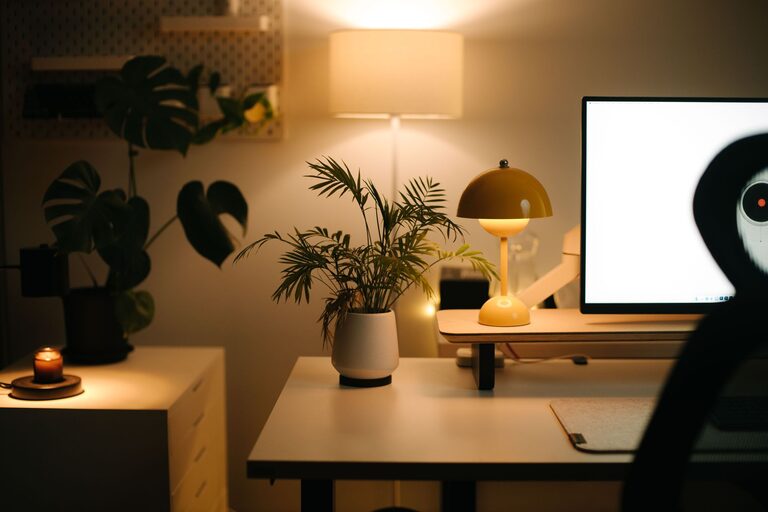
– Supplement with Task Lighting: A desk lamp with adjustable brightness helps illuminate your work area when natural light fades.
– Avoid Harsh Overhead Lighting: Soft, diffused lighting tends to be more pleasant and prevents headaches.
Experiment with light sources until you find a setup that feels balanced and comfortable.
Organize Your Workspace
Clutter can negatively impact focus and productivity. Keep your workspace tidy with these tips:
– Minimal Decor: Choose functional items and limit decorations to avoid distractions.
– Storage Solutions: Use drawers, shelves, or organizers to keep supplies and documents neatly stored.
– Cable Management: Use clips or sleeves to keep cords and cables under control.
A clean and organized workspace supports clearer thinking and reduces time wasted searching for items.
Establish a Routine
A consistent daily routine helps train your mind to shift into work mode.
– Set a Start Time: Begin work at the same time each day to create structure.
– Take Breaks: Schedule short breaks to rest your eyes and stretch.
– Dress for Work: Wearing work-appropriate clothes can help reinforce a professional mindset.
Creating boundaries between work and personal time also protects your wellbeing.
Limit Distractions
Home environments often include interruptions. Here’s how to minimize them:
– Set Clear Boundaries: Communicate your work hours to family or housemates.
– Use Noise-Canceling Headphones: Block out background noise if your space isn’t fully private.
– Turn off Notifications: Silence unnecessary phone or app alerts to maintain focus.
Reducing distractions helps you complete tasks more efficiently.
Personalize Thoughtfully
Personal touches can make your home office inviting without causing distractions.
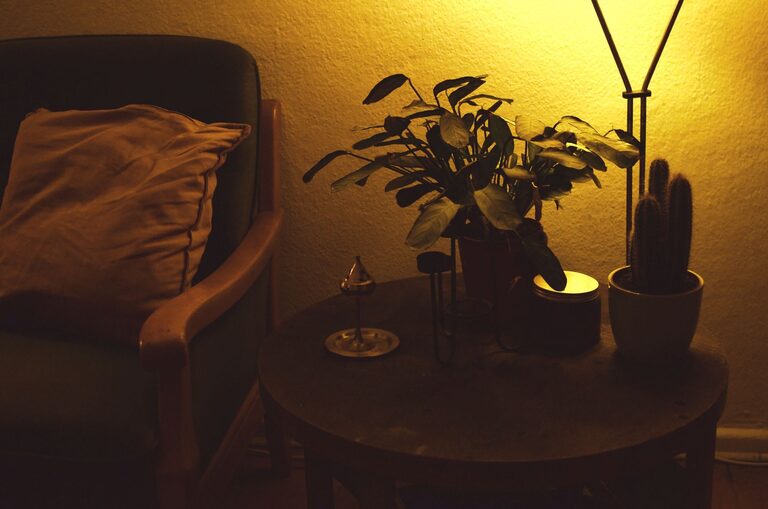
– Add Plants: Small plants can improve air quality and create a calming atmosphere.
– Incorporate Inspiring Items: A motivational quote or artwork can boost morale.
– Comfort Items: Consider a cozy throw or a cushion for added comfort.
Balance personalization with simplicity to maintain a professional environment.
Use Technology Wisely
Leverage digital tools to streamline work but avoid tech overload.
– Reliable Internet: Ensure your connection is fast and stable.
– Use Productivity Apps: Tools like task managers or calendar apps keep you organized.
– Limit Multitasking: Focus on one task at a time to improve quality and speed.
Keep your workspace free from unnecessary gadgets that can distract.
Prioritize Air Quality and Temperature
Comfort extends beyond furniture and lighting.
– Air Circulation: Open windows when possible or use a fan to keep air fresh.
– Indoor Plants: Some plants help naturally purify the air.
– Temperature Control: Maintain a comfortable temperature to prevent discomfort and distraction.
A pleasant physical environment supports sustained concentration.
—
By thoughtfully designing your home office with these tips, you can create a space that not only supports productivity but also feels comfortable and inspiring. Remember, a well-planned environment helps you work smarter and enjoy the benefits of working from home.
About the Author