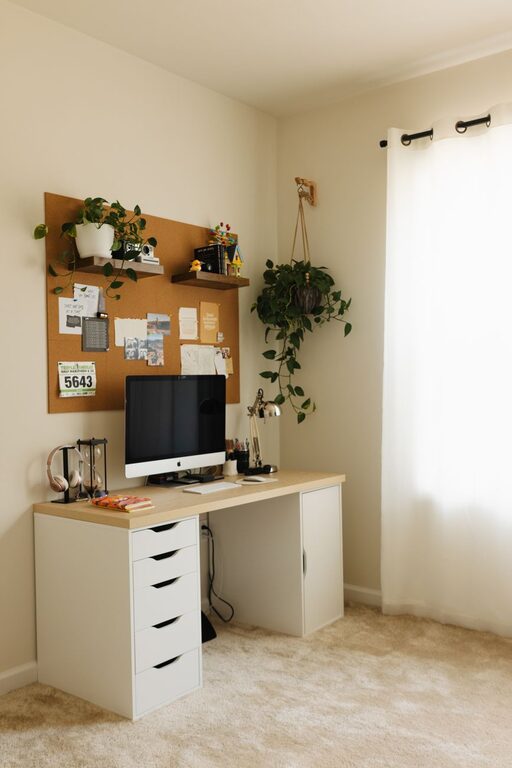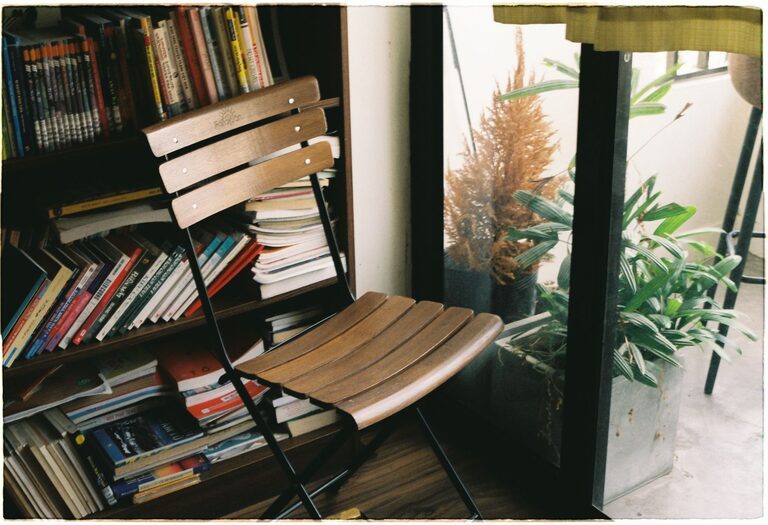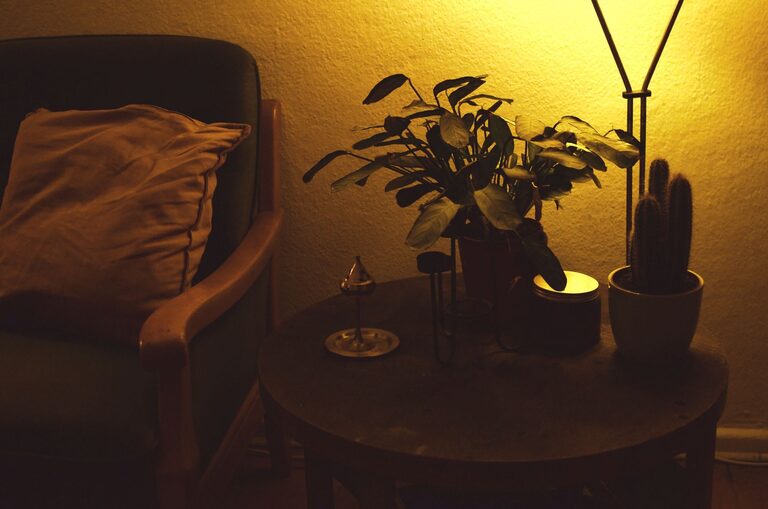

Creating a cozy and productive home workspace is essential for anyone working remotely or spending long hours at home on professional tasks. Your environment plays a significant role in how focused and comfortable you feel throughout the day. Whether you have a dedicated room or just a small corner, here are practical tips to help you create a workspace that supports both comfort and productivity.
Choose the Right Location
Find a Quiet Spot
Selecting a quiet area in your home is crucial to minimize distractions. Look for a space away from high-traffic zones like kitchens or living rooms where noise and interruptions are common. If a completely isolated room isn’t available, consider noise-canceling headphones or white noise machines to enhance focus.
Prioritize Natural Light
Natural light is uplifting and can improve mood and efficiency. Choose a spot near a window to benefit from daylight while working. If natural light is limited, use bright, daylight-spectrum bulbs to simulate the effect.
Invest in Comfortable Furniture
Ergonomic Chair and Desk
A supportive, adjustable chair helps prevent back and neck pain. Your desk height should allow your arms to rest comfortably with shoulders relaxed while typing. Ergonomic furniture may require an investment, but it pays off by boosting your comfort and health.
Consider a Standing Desk Option
If possible, incorporate a sit-stand desk or a converter that allows you to switch between sitting and standing. Changing positions throughout the day can reduce fatigue and improve circulation.
Organize Efficiently
Keep the Desk Clutter-Free
A tidy workspace helps clear your mind. Use organizers, trays, or cable management tools to keep essentials within reach but out of the way. Regularly declutter to maintain a neat environment.
Use Storage Solutions
Shelves, filing cabinets, or boxes can help store documents and supplies efficiently. Labeling storage makes it easier to find items quickly, saving time and reducing frustration.
Add Personal and Cozy Touches
Decorate with Plants
Adding a few indoor plants can boost air quality and add a touch of nature, creating a calming atmosphere. Easy-care plants like succulents or snake plants require minimal maintenance.
Choose Soothing Colors
Soft, neutral tones or gentle pastels foster a relaxing environment. Avoid overly bright or harsh colors that might feel distracting or stressful.
Include Comfort Items
A cozy throw blanket, a supportive cushion, or an area rug can increase comfort. These additions make your workspace feel inviting and help you stay comfortable through long workdays.
Optimize Lighting
Use Multiple Light Sources
Combine overhead lighting with task lighting such as desk lamps. Adjustable lamps allow you to direct light where you need it most, reducing eye strain.
Adjust Screen Brightness
Match your screen brightness to the ambient light in the room to avoid glare or excessive contrast. Consider blue light filters if working late to protect your eyes and support better sleep.
Minimize Distractions
Limit Noise and Interruptions
Inform family members or roommates of your work hours to minimize interruptions. Use visual cues, such as a “Do Not Disturb” sign, to signal when you need focus.
Manage Digital Distractions
Use apps or settings to block distracting websites and limit notifications during work periods. Scheduling regular breaks helps avoid burnout and improves overall concentration.
Maintain Air Quality and Temperature
Ventilation Matters
Good ventilation keeps fresh air circulating, which helps you stay alert. Open windows or use air purifiers if necessary.
Keep the Temperature Comfortable
Too hot or too cold environments hinder productivity. Dress in layers or use fans and heaters to maintain a comfortable temperature.
Plan Break Areas Nearby
Having a comfortable spot to take breaks can recharge your energy. This could be a cozy chair away from your desk or a small area for stretching and light exercise.
Establish a Routine and Boundaries
Set Work Hours
Define clear start and end times for your workday. This helps separate professional and personal time, reducing stress.
Create a Startup and Shutdown Ritual
Beginning and ending your workday with simple rituals — like organizing your desk or writing a to-do list — can mentally prepare you for work and help you switch off afterward.
—
Designing a cozy and productive home workspace doesn’t require a complete overhaul. Small, thoughtful changes can dramatically improve how you feel and work from home. By focusing on comfort, organization, lighting, and minimizing distractions, you set yourself up for success and a better balance between work and life.
About the Author